UNIQLO using IMC.

There are several definitions for integrated marketing communications available out there. Keegan et al (1992) stated that integrated marketing communication is the strategic coordination of messages used in influencing a perceived brand value.  To Pickton and Broderick (2001), IMC decisions should focus on only channels that offer the greatest benefits to stakeholders.

Image result for uniqlo

Japanese fast-fashion retailer Uniqlo has used marketing communication integration to their advantage several times. President and CEO of Uniqlo Tadashi Yanai once stated “We are not a fashion company. We are a technology company”. Therefore, it is not surprising that Uniqlo has used numerous types of digital marketing strategies to effectively communicate their message on several campaigns. One particular campaign that utilised integrated digital marketing communication was the Uniqlo Uncover campaign.

The Uncover campaign encouraged consumers to take photos of fast moving pictures on billboards around Australia and online, that would then ‘uncover’ product codes which could then be uploaded to the campaign website to redeem a sample from their new HeatTech line. Consumers were able to share their experience on socials and find codes on Youtube and Facebook Videos too. Uniqlo stores were also able to live-track and report the codes used.
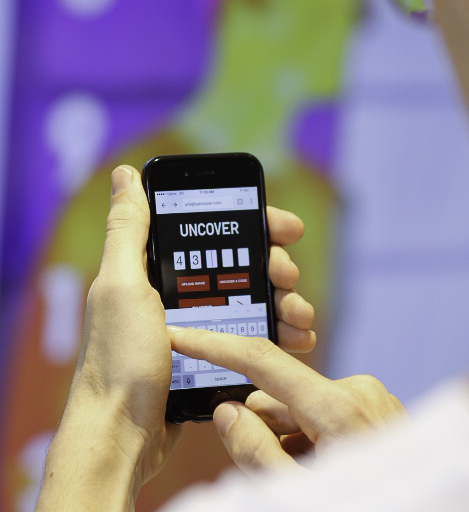
This campaign used both traditional media billboards with a variety of digital channels to create an experiences for their customers. Using Pickton and Broderick(2001) 4 Cs of integrated marketing communication, we can see why this campaign implementation was successful:

  1. Coherence: The billboards and digital channels were all logically connected. The billboards lead consumers to the website, which then encouraged them to share their experiences on socials, which then lead others not only the website but to their Facebook page and YouTube channel.
  2. Consistency: All the messages across all channels were consistent. Other than the call for consumer engagement, all other content was surrounding the technology behind the HeatTech range. On the billboards, the website and their socials, consumers were informed on the benefits of the HeatTech products.
  3. Continuity: Communications were connected and consistent, and code validation was tracked in real time.
  4. Complementary: All the different parts of this campaign were brought together to make something meaningful. Without the billboards and codes, the website was purely informational and didn’t offer an actual experience. Without the website, the codes meant nothing.

Have you seen any other campaigns similar to this? And, do you think the success of a marketing campaign is dependent on how coherent, consistent, complementary and continuous it is?
Fashion’s going digital.

I’ve only recently been introduced to the Internet of Things (IoT), and its got me thinking about how it could be utilised in the fashion and retail industry.  

The Internet of Things (IoT) refers to any physical devices that have digital intelligence, are connected to the internet and are able to collect and share data. Anything from a children’s toy to driverless cars can be IoT devices.

So how could we use this technology on clothes, and what would be its purpose?
Google company Jacquard are figuring this out.

Related image

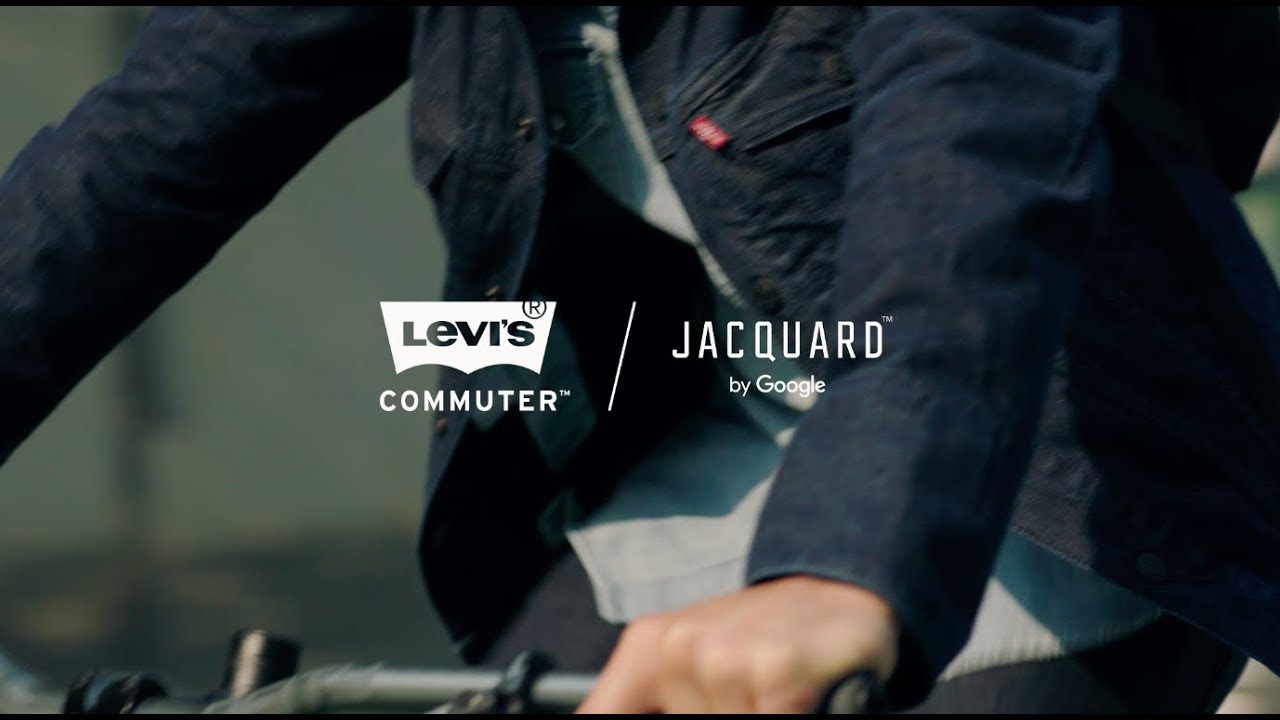
Jacquard is the first full scale digital platform created for smart clothing. ‘Connectivity woven into everyday essentials’ is what they are trying to achieve. To produce their first and only product, Jacquard partnered with American clothing label Levis’ to create a $350 smart jacket. The Commuter Trucker Jacket was designed with the urban cyclist in mind and has several features– including music controls, step and location tracking, navigation and alerts all activated by different gestures. Would be super helpful for commuters who can’t have their phone in their hands all the time, but also maybe an unnecessary product for many other people. I think this is a very niche market to target, nevertheless a cool innovation. I think the struggle for marketers with these technologies will be creating something not only new and innovative, but also something that the consumers want.

Related image

ASOS Chairman Brian McBride had some interesting ideas for other ways to digitise clothing. He mentioned the possibility of digital wardrobes and trackable clothes, using RFID technology that is improving and becoming cheaper and smaller. This caught my attention as something I want. My close friends and I often borrow each other’s clothes, and after a while, things have definitely gone missing. The idea of being able to track my clothes would be super handy!

Would you guys find these innovations useful? Or do you think combining fashion and these kinds of technologies a bit pointless?

ASOS: Solving their customers problems with mobile marketing.

I don’t go anywhere without my phone. Not only do I use it to contact people, but my phone has become my iPod, camera, map and wallet. 87% of Australians own a mobile device and 64% of us access the internet via these devices more than five times a day.

So, its not surprising that the concept of mobile marketing is becoming more popular among marketers. Mobile marketing was defined by Adreas Kaplan as “any marketing activity conducted through a ubiquitous network to which consumers are constantly connected using a personal mobile device”.

In the fashion industry, I have found that many brands offer the same experience on a mobile device. They use social media to promote, and then direct consumers to an online store to purchase. However, British brand ASOS is trying to create something different for their customers. The ASOS app was created by their 900-person tech department and has been downloaded 10 million times. The app has many features that are designed to make online mobile clothes shopping easier, including image product searches and a fit function.

Image result for asos app

ASOS’ head of product Rich Jones has said that the technology team use customer pain points and frustrations as a starting point when figuring out how to improve the mobile app. I think focusing on solving their customers problems have helped make the app so successful (It has a 4.8 out of 5 star rating on iTunes from over 800k reviews!).

Using Forbes’ 5 app features customers want, we can see how and why ASOS have created a highly successful mobile device platform.

  1. A rich experience – Understanding that mobile shopping is different from using a computer, ASOS offers several search functions to make it easier for their mobile customers. The image search function allows customers to take a photo of an item they like, and then the app provides similar items available for purchase. A unique experience for shoppers on the go.
  2. Intuitive and easy navigation – The app is easy to use and allows customers to seamlessly scroll through items, save their favourites, create style/mood boards, and add too and edit their online ‘bag’.
  3. Seamless checkout – The payment process on the app is super efficient – once logged in to your personal account, the app remembers your details and requires only a few extra details in order to securely place your order.
  4. Personalized experiences – Allows customers to create personal accounts to save items, create style/mood boards, save your information to cater the experience to them.
  5. Simplicity – keeping the aesthetics simple, customers are able to focus on enjoying and using the app – instead of trying to understand it.

Do you online shop? How could brands make online mobile shopping easier for you?

Dumb Ways To Die, Smart Way to Market

Public service announcements don’t exactly scream excitement, do they?

I cannot even think of another PSA campaign off the top of my head. BUT, I still vividly remember Metro Trains Melbourne’s “Dumb Ways To Die” campaign in November 2012. It has actually been named the 12th best campaign of the 21st century.

Image result for dumbwaystodie

Created by McCann Melbourne, the PSA was designed to remind people about safe behaviour around trains. With a catchy song, viral video, traditional media billboards  and even a downloadable App game, this campaign was everywhere!

This campaign was crazy popular. The song was in the iTunes top 10 chart within days of its launch and the game app not only gained traction in Australia, but was the number one downloaded game in over 22 countries. The video that accompanies the song currently has 177,195,501 views on YouTube.

Building on their success – particularly with children and families, Dumb Ways To Die has built as a brand and now sells plush toys, school supplies and clothing.

Looking at Jonah Bergers principles, or STEPPS, we can see how the campaign had all six components that aid contagiousness.

  1. Social Currency – encouraging people (especially children) to discuss safety around trains was previously a boring subject, but thanks to this campaign, children were actively involved in the conversation and found the content entertaining.
  2. Triggers – This campaign was EVERYWHERE. On billboards, posters, the television and social media. It became a conversation and children were talking about this fun new game that they could play.
  3. Emotion – The topic of railway safety as a PSA is encouraging people to be safe to avoid harm. This campaign tackled what could be an emotional or dark topic to people in a fun and light way.
  4. Public – Again, it was everywhere. In public spaces and visible in people’s private homes.
  5. Practical Value – Useful information being communicated in a fun way
  6. Stories – the whole campaign was based on story telling.

Do you remember this campaign? Did you download the game? I sure did!

How Glassons used Instagram to attract a younger market.

Millennials love social media. According to the Yellow Social Media Report, 55% of participants aged between 18-29 use social media more than 5 times a day.

One brand that has really utilized social media marketing is New Zealand women’s retailer Glassons. I’ve seen Glassons stores in shopping centers here in Melbourne for as long as I can remember, but have noticed a massive change in their branding and offering in the last few years.

Glassons re-branded to target a younger demographic, offering trendier pieces in completely refurbished, modern stores. A way they have targeted this younger market is using social media to their advantage, more specifically – Instagram. The Glassons Instagram page currently has 327k followers, and they run weekly competitions and giveaways that encourage all of those followers to post and tag #glassons to win vouchers to spend at their stores.

Glassons have also used social media influencers to reach their market. They have used Australian influencers like Shani Grimmond and Tammy Hembrow to post and promote the brand. Using these kinds of influencers is really effective for reaching the young female market, as studies have shown 86% of women use social media for purchasing advice. Glassons do not only get these influencers to post content of their products, but also include them in their larger marketing Campaigns.

Glassons have taken a small group of social media influencers on international trips to create content to post on all forms of social media. Sri Lanka, the Bahamas, Hawaii and Greece are some of the locations Glassons posted. Tough life being an influencer! During these promotional trips, each influencer have had a discount code available for their followers to use in the Glassons store and on their website. They also run competitions for followers to win a holidays by tagging their friends in the comments of their posts, broadening their reach.

Loving your work Glassons!