There are several definitions for integrated marketing communications available out there. Keegan et al (1992) stated that integrated marketing communication is the strategic coordination of messages used in influencing a perceived brand value. To Pickton and Broderick (2001), IMC decisions should focus on only channels that offer the greatest benefits to stakeholders.

Japanese fast-fashion retailer Uniqlo has used marketing communication integration to their advantage several times. President and CEO of Uniqlo Tadashi Yanai once stated “We are not a fashion company. We are a technology company”. Therefore, it is not surprising that Uniqlo has used numerous types of digital marketing strategies to effectively communicate their message on several campaigns. One particular campaign that utilised integrated digital marketing communication was the Uniqlo Uncover campaign.

The Uncover campaign encouraged consumers to take photos of fast moving pictures on billboards around Australia and online, that would then ‘uncover’ product codes which could then be uploaded to the campaign website to redeem a sample from their new HeatTech line. Consumers were able to share their experience on socials and find codes on Youtube and Facebook Videos too. Uniqlo stores were also able to live-track and report the codes used.
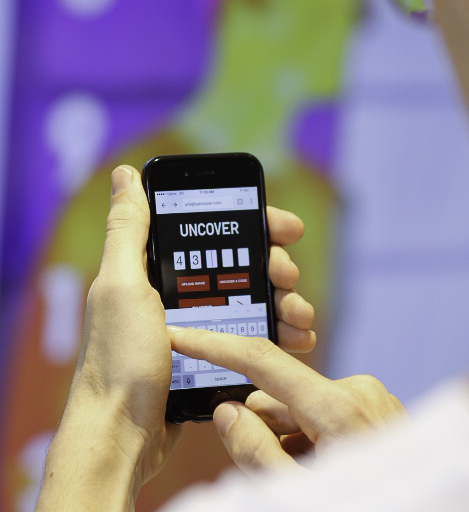
This campaign used both traditional media billboards with a variety of digital channels to create an experiences for their customers. Using Pickton and Broderick(2001) 4 Cs of integrated marketing communication, we can see why this campaign implementation was successful:
- Coherence: The billboards and digital channels were all logically connected. The billboards lead consumers to the website, which then encouraged them to share their experiences on socials, which then lead others not only the website but to their Facebook page and YouTube channel.
- Consistency: All the messages across all channels were consistent. Other than the call for consumer engagement, all other content was surrounding the technology behind the HeatTech range. On the billboards, the website and their socials, consumers were informed on the benefits of the HeatTech products.
- Continuity: Communications were connected and consistent, and code validation was tracked in real time.
- Complementary: All the different parts of this campaign were brought together to make something meaningful. Without the billboards and codes, the website was purely informational and didn’t offer an actual experience. Without the website, the codes meant nothing.
Have you seen any other campaigns similar to this? And, do you think the success of a marketing campaign is dependent on how coherent, consistent, complementary and continuous it is?

 MKTG1415
Honestly, no I’ve never seen any similar campaigns to the one you just named about Uniqlo, but I thought it was so cool and would have been fun. I see how the campaign engaged consumers as it allowed them to participate with the brand, creating customer relationship management. I think the 4 Cs are important for marketers to use as a foundation to follow when deciding on a new campaign, and I love how you justified the
4 C’s implementation on the Uniqlo campaign. It depends on the brand, situation and target market to determine if a marketing campaign should be dependant on the 4 C’s, however I think strategies such a viral marketing can be more powerful than this.
LikeLike
Thanks Ryan! I agree that viral marketing might be more effective, however I do think that this kind of customer engagement is very effective.
LikeLike
i cant say that i have seen many campaigns similar to this, but would definitely like to see more campaigns like this, i think it would be great and allow for a more experiential promotion for consumers and the brand
LikeLike